
LITTLE MILLET
Little millet, also known as kutki or samai, is a small but mighty grain that has been a staple in India for centuries.
It has been grown and consumed in various parts of the country, especially in the southern states, where it is a popular ingredient in many traditional dishes.
It has numerous health benefits and is a versatile ingredient when it comes to cooking and is a valuable addition to your diet. So why not try it today and experience the goodness of this ancient Indian grain?
Benefits of Little Millet

Good for digestion
Little millet is high in dietary fiber, which promotes healthy digestion and prevents constipation.

Rich in antioxidants
Little millet contains antioxidants, which help protect against chronic diseases like cancer, heart disease, and diabetes.

Gluten-free
Little millet is naturally gluten-free, making it a safe option for people with celiac disease or gluten intolerance.

Supports weight loss
Little millet is low in calories and high in protein, and helps control appetite, making it an excellent food for weight loss.

Rich in nutrients
Little millet is a good source of essential vitamins and minerals like magnesium, potassium, and iron.

Diabetic friendly
Little millet has a low glycemic index, which means it releases sugar slowly into the bloodstream, making it a great food for diabetics.
Tips on how to use Little Millet in your cooking:
- Little millet is a versatile grain that can be used in a variety of dishes. Here are a few ways you can use little millets in your everyday cooking:
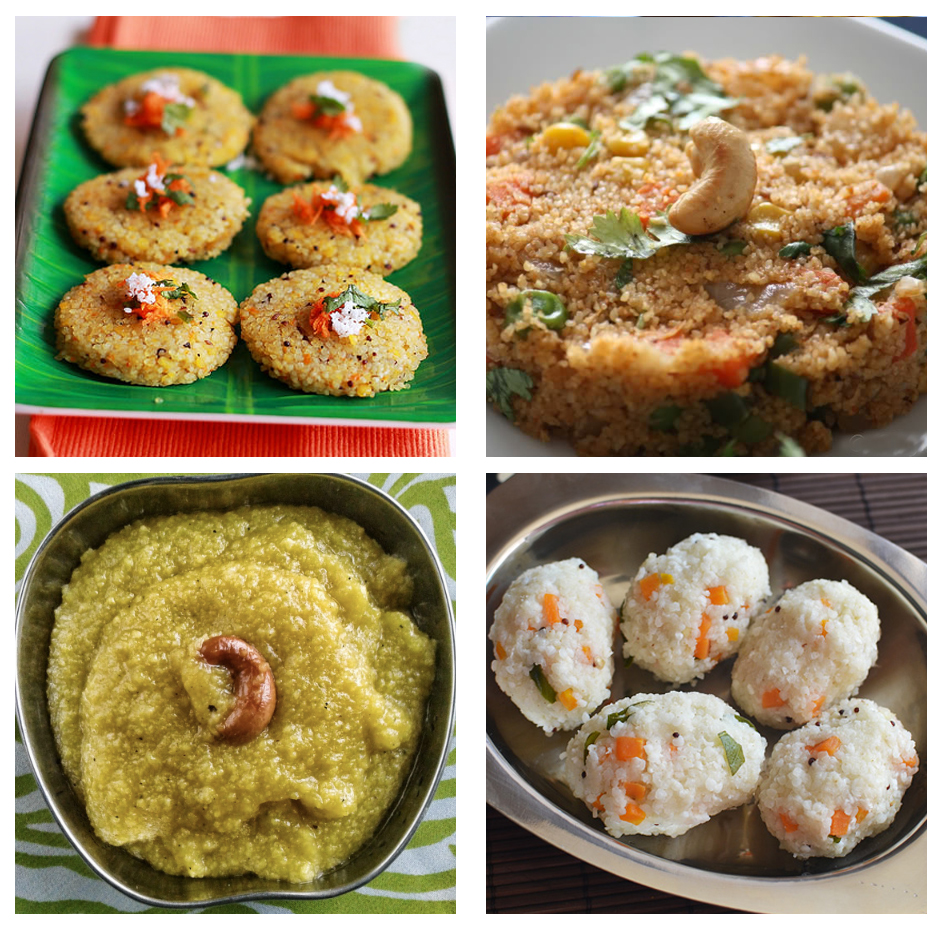
- Porridge: Little millet makes a delicious and nutritious breakfast porridge. Simply cook little millets with water or milk, add some sugar or jaggery, and top with your favourite nuts and fruits for a healthy and satisfying start to your day.
- Upma: Little millet upma is a popular South Indian breakfast dish that is easy to make and packed with flavour. To prepare, sauté onions, ginger, and green chilies in oil, add little millets and water, and cook until tender. Garnish with fresh coriander leaves and serve hot.
- Pilaf: Little millet pilaf is a healthy and delicious alternative to traditional rice-based pilaf. To prepare, sauté onions, garlic, and ginger in oil, add little millets, and cook until lightly toasted. Add water or broth, and cook until the liquid is absorbed. Serve with your favourite curry or raita.
- Soup: Little millet can also be used to add texture and nutrition to soups. Simply add cooked little millets to your favourite soup recipe for a healthy and satisfying meal.
- Baking: Little millet flour can be used in baking for a gluten-free alternative. Use it to make cookies, cakes, and bread for a healthy and delicious treat.
Pro Tip
Rinse little millet well to remove dirt and debris and soak for at least 30 minutes before cooking. The ratio of little millet to water should be about 1:2.5. So for 1 cup of little millet, use 2.5 cups of water. However, the exact ratio may vary depending on the desired texture and cooking method, so it’s always a good idea to check the instructions on the package or recipe you’re using.
you’re looking for a healthy breakfast option, a flavorful main dish, or a gluten-free baking alternative, little millet has got you covered. So why not try it today and explore the many ways you can use this ancient Indian grain in your cooking?